Current Legislation
Introduction
Electric mobility has established itself as a practical, economical, and eco-friendly alternative for your daily commute. But an electric scooter or balance bike is still a vehicle in its own right, subject to the rules of the road. Riding legally also means riding with peace of mind: no unpleasant surprises during a traffic stop, and, above all, greater safety for you and other road users.
All our vehicles are approved for use on public roads. This page summarizes the key regulations in effect to help you ride with confidence. This page is for informational purposes only and does not replace official texts: the law changes regularly, and certain rules vary from one municipality to another. If in doubt, be sure to check with your local city hall, prefecture, or on service-public.fr.
What does the law say?
There are two main categories of vehicles, each with very similar rules:
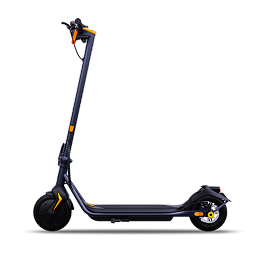
- Electric scooters fall under the category of motorized personal mobility devices (EDPM), which were incorporated into the Highway Code by the decree of October 25, 2019.
- Road-approved electric balance bikes (category L1e-B) fall under the category of “light mopeds”, created by the decree of January 14, 2022. Technically classified as mopeds, these vehicles are subject to a simplified regulatory framework and, in practice, follow the same traffic rules as PMVs.
Key principles to remember:
- Speed limited to 25 km/h by design. Removing the speed limiter is strictly prohibited and subject to a fine of up to €1,500.
- Minimum age of 14 as of September 1, 2023. No driver’s license or BSR is required.
- Only one rider: carrying a passenger is prohibited.
- An approved vehicle: Road use requires type approval (CE marking and certificate of conformity for light mopeds), as well as complete equipment—brakes, front and rear lights, a horn, and reflective devices. These features come standard on our models.
Good to know: These regulations apply to vehicles limited to 25 km/h. A vehicle that is faster or more powerful (exceeding 25 km/h or 350 W) falls into the category of conventional mopeds, which require registration, a vehicle registration certificate, an AM license, and a motorcycle helmet.
Where can you ride?
In urban areas:
- You must use bike paths and bike lanes when they are available.
- If none are available, you may ride on roads with a speed limit of 50 km/h.
- Pedestrian zones are accessible at a very moderate speed (6 km/h maximum), without obstructing pedestrians.
- Riding on sidewalks is prohibited, unless authorized by the municipality, and is punishable by a fine of 135 €.
Outside urban areas:
- Riding is restricted to greenways and bike paths.
Highways and expressways are, of course, off-limits. Note: When a traffic light is equipped with an M12 sign, you are permitted to proceed through a red light while yielding to oncoming traffic. Finally, the use of earbuds or headphones while riding is prohibited.
Is insurance required?
Yes, without exception. Liability insurance is mandatory for riding on public roads, for both electric scooters and approved balance bikes. It covers any damage you may cause to a third party in the event of an accident.
Riding without insurance is a criminal offense, punishable by a fine of up to €3,750. Without coverage, you are responsible for paying the full amount of any compensation: in the event of bodily injury, the costs can be substantial.
In practical terms, you have two options: take out a dedicated policy, or request an extension to your home insurance. Be careful with the second option, however: these extensions often exclude vehicles traveling faster than 6 km/h. Carefully review the terms and conditions—especially the coverage exclusions—before relying on them. On the other hand, no registration or vehicle registration certificate is required for these categories.
Is equipment required?
Nationwide, helmets are not required for adults in urban areas as of 2026. They remain mandatory, however, for minors and outside urban areas on authorized roads. The only piece of equipment that is always required for the driver is a reflective vest or garment, at night or in low-visibility conditions.
Be aware of local regulations, which are becoming increasingly common: several prefectures and municipalities now require helmets for everyone. This is the case, for example, in Vaucluse (since July 1, 2026), in the Alpes-Maritimes (since April 2026), and in Nice, Vence, and Bourg-lès-Valence. A proposed law also aims to extend this requirement nationwide. Check with your local city hall before riding.
Our recommendation: wear a helmet, even when it’s not required. The numbers speak for themselves. In 2025, the fatality rate among e-bike users jumped by more than 50% in a single year, and head injuries accounted for nearly one-third of all reported injuries. However, wearing a helmet reduces the risk of head injury by about 70% in the event of a fall.
To ride safely, we recommend:
- A helmet certified to at least the EN 1078 standard (CE marking). For high-speed rides or on open roads, choose a model that covers the back of the head.
- Gloves, which provide effective protection in the event of a fall.
- Protective gear for the wrists, elbows, and knees, particularly recommended for beginners.
- Light-colored or reflective clothing, so you can be seen both day and night.
Appropriate gear costs only a few dozen euros. That’s a small price to pay for the safety it provides.
Information current as of the French regulations applicable in 2026. This page is provided for informational purposes only and does not constitute legal advice. As regulations change regularly, we encourage you to consult official sources (service-public.fr, the Highway Code, local ordinances) before making any purchases or traveling.